

MECHANICAL ENGINEERING
Achievements
Industry Collaboration
Research
Laboratory
-
About Department
-
About the DepartmentAbout the Department
Mechanical Engineering is a core discipline of Engineering that lays the foundation Principles for various Engineering streams like, Physics and Materials Science for Analysis, Design,Manufacturing and Maintenance of Mechanical System, Thermal Engineering, Organization maintenance. Mechanical Engineering was started in 2010, The department offers B.Tech program (Mechanical Engineering) with present intake of 60 students and 18 students in M.Tech program (Machine Design). In addition to academics, the department strives for the holistic development of students by arranging various activities like workshops, seminars, conferences and industrial visits. The department has well equipped laboratories and we believe that our students are molded to become successful engineers, managers and future ethical leaders with required knowledge, analytical skills and creativity to develop innovative solutions to challenging problems who are not only committed to the industry but also to the society.
-
Vision & Mission
-
Vision and Mission

VISION
Strive for excellence in mechanical engineering producing competent professionals with ethical values and social responsibility.

MISSION
Training students to meet global standards through quality education with dedicated faculty. Emphasizing the importance of research activities, maintain professional standards and adhering to ethics and human values.
- M1: To impart quality education through well established infrastructure and dedicated faculty following innovating teaching and learning practices.
- M2: To create an ambience for effective learning and skill development by promoting research culture through industry institute interaction.
- M3: To inculcate professionalism adhering to ethical and social values.
-
Programs Offered
-
Programs Offered
UG ProgramPG ProgramDiploma in Mechanical Engineering – (DME)
Department of Mechanical Engineering has started the Diploma program in Mechanical Engineering (DME) in the year of 2011 on second shift basis with the sanctioned intake of 60. The program is approved by AICTE and affiliated to State Board of Technical Education and Training (SBTET). The program is started with the moto of providing the technical education to the rural communities and makes them employable. The diploma program covers various courses include Design, Manufacturing and Production etc. All the courses are handled by the dedicated and well qualified faculty members. The students are encouraged to exhibit their innovations and skills by participating in various curricular and extra-curricular activities. Diploma program run by the KES is creating the strong technical platform for the students in both placement and higher studies.B.Tech. : Mechanical
The Department is started with B. Tech. – Mechanical Engineering program on 2010. Currently, the Department following the syllabus framed by the JNTUA (R13 & R15) for the students. The students are given provision to attend the various value added skill development programs in and outside the campus. The students are facilitated to carryout innovative inhouse projects after regular academic hours from their second year of study onwards. The Department aims to develop their students’ with different skill sets, ethical and moral values to cope up with the technical changes/challenges in their profession.Program Educational Objectives (PEOs)
The graduates will- PEO-1 Be successful professionals in the field of mechanical engineering and allied areas.
- PEO-2 Excel in higher studies and research adapting to changes in technology.
- PEO-3 Become successful entrepreneur with profound knowledge in core engineering to serve the society with ethical values and social responsibilities..
Program Outcomes (POs)
Graduates of Mechanical Engineering program are able to- PO1 Apply the knowledge of mathematics, science, engineering fundamentals, and an engineering specialization to the solution of complex engineering problems
- PO2 Identify, formulate, review research literature, and analyze complex engineering problems reaching substantiated conclusions using first principles of mathematics, natural sciences, and engineering sciences.
- PO3 Design solutions for complex engineering problems and design system components or processes that meet the specified needs with appropriate consideration for the public health and safety, and the cultural, societal, and environmental considerations.
- PO4 Use research-based knowledge and research methods including design of experiments, analysis and interpretation of data, and synthesis of the information to provide valid conclusions.
- PO5 Create, select, and apply appropriate techniques, resources, and modern engineering and IT tools including prediction and modeling to complex engineering activities with an understanding of the limitations.
- PO6 Apply reasoning informed by the contextual knowledge to assess societal, health, safety, legal and cultural issues and the consequent responsibilities relevant to the professional engineering practice.
- PO7 Understand the impact of the professional engineering solutions in societal and environmental contexts, and demonstrate the knowledge of, and need for sustainable development.
- PO8 Apply ethical principles and commit to professional ethics and responsibilities and norms of the engineering practice.
- PO9 Function effectively as an individual, and as a member or leader in diverse teams, and in multidisciplinary settings.
- PO10 Communicate effectively on complex engineering activities with the engineering community and with society at large, such as, being able to comprehend and write effective reports and design documentation, make effective presentations, and give and receive clear instructions.
- PO11 Demonstrate knowledge and understanding of the engineering and management principles and apply these to one’s own work, as a member and leader in a team, to manage projects and in multidisciplinary environments.
- PO12 Recognize the need for, and have the preparation and ability to engage in independent and life-long learning in the broadest context of technological change.
Program Specific Outcomes (PSOs):
The graduates will have- PSO1 Develop an ability to design, analyze and model physical systems, components or processes by applying principles of thermal engineering, machine design and manufacturing engineering.
- PSO2 Develop professional skills and entrepreneurial skills to meet the current industrial needs.
M.Tech - Machine Design
The Department started the M. Tech. – Machine Design in the year of 2014 with the sanctioned intake of 18. Currently, the Department following the syllabus framed by the JNTUA (R09 & R17). The program structure provides a right mix of compulsory and elective courses. The students of M. Tech. program are advised to carry out their project work by considering practical challenges/issues in the field of Machine Design and its applications in allied domains.Program Educational Objectives (PEOs)
The graduates will have- Be successful professionals in industry, government, academic, research, entrepreneurial pursuit and consulting firms.
- Contribute to society as broadly educated, expressive, ethical and responsible citizens with proven expertise.
- Achieve peer-recognition; as an individual or in a team; through demonstration of good analytical, research, design and implementation skills.
- Thrive to pursue life-long reflective learning to fulfill their goals.
Program Outcomes (POs)
The Graduates will be able to: POs are statements that describe what students are expected to know and be able to do upon graduating from the program. These relate to the skills, knowledge, analytical ability attitude and behaviour that students acquire through the program. The POs essentially indicate what the students can do from subject-wise knowledge acquired by them during the program. As such, POs define the professional profile of a graduate of PG Engineering Program. NBA has defined the following three POs for a graduate of PG Engineering Program:- PO1 An ability to independently carry out research /investigation and development work to solve practical problems.
- PO2 An ability to write and present a substantial technical report/document
- PO3 Students should be able to demonstrate a degree of mastery over the area as per the specialization of the program. The mastery should be at a level higher than the requirements in the appropriate bachelor program
-
Syllabus
-
Syllabus
B.Tech. Syllabus
M.Tech. Syllabus
-
Faculty Details
-
Faculty Details
-
Laboratory Details
-
Laboratory Details
Mechanical EngineeringMechanical Engineering
Engineering Workshop lab.

Material science and mechanics of Solids labs.

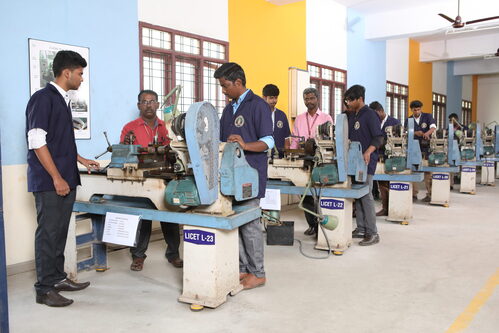
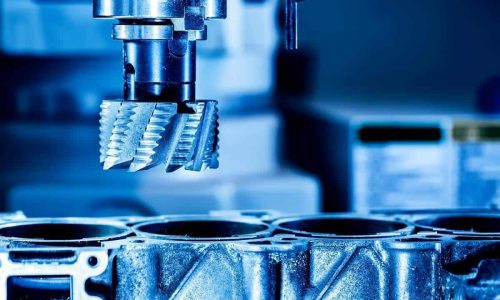
Manufacturing technology lab.

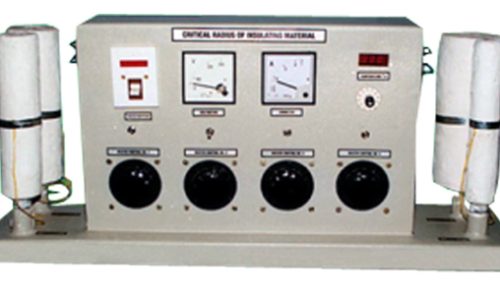
Heat transfer lab.

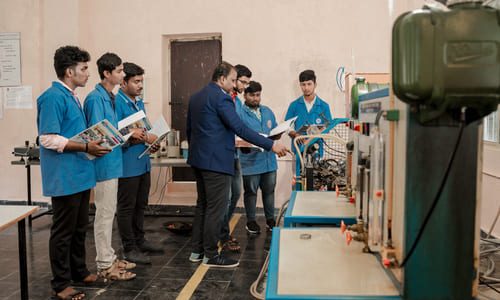
Thermal Engineering lab.

Metrology and Machine tools lab.

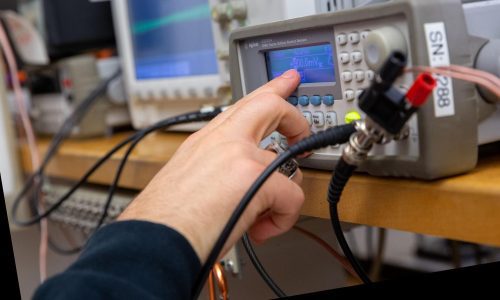
Instrumentation and control systems lab.

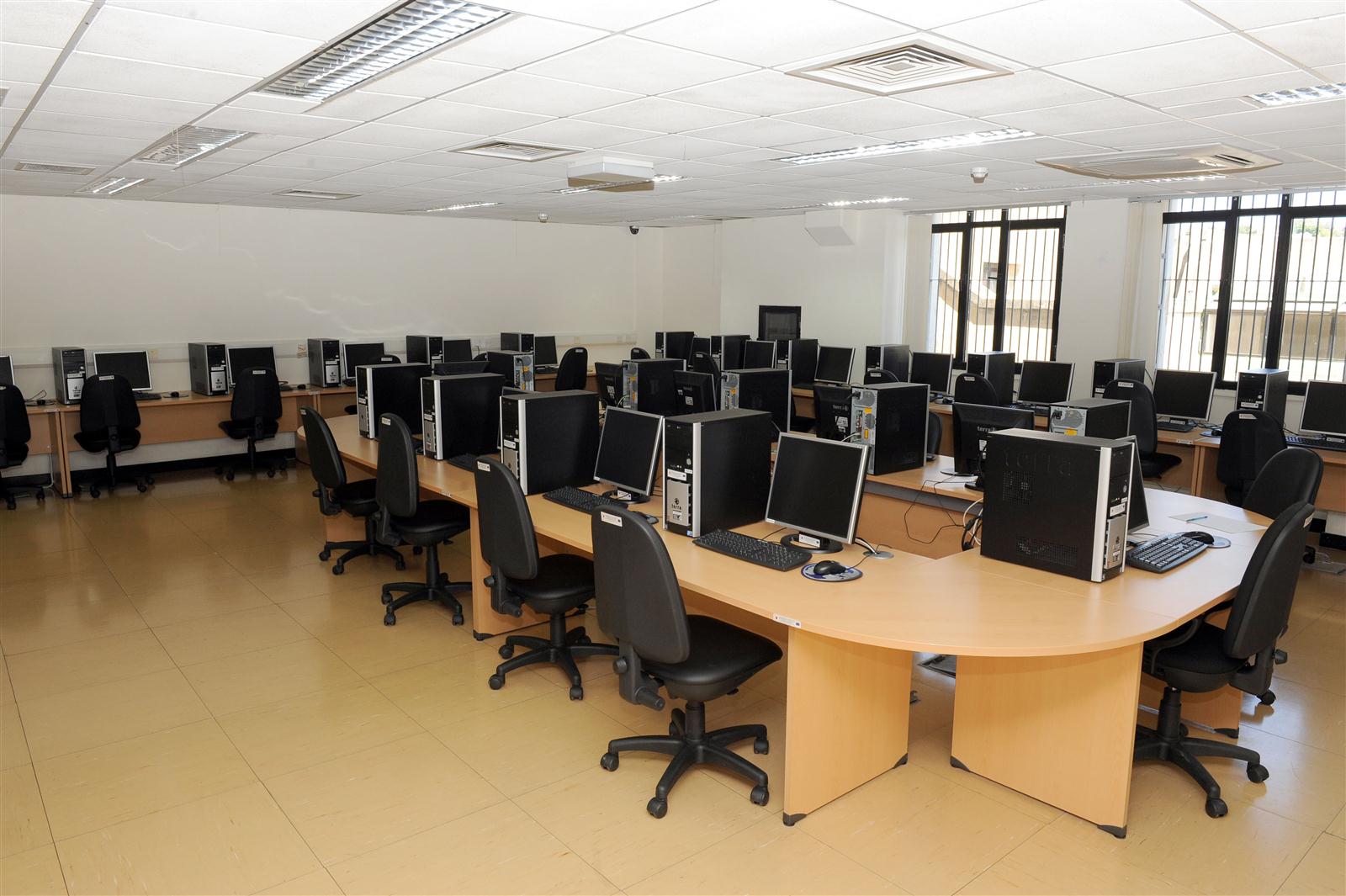
CAD/CAM Lab.
M.Tech (Machine Design)
Simulation Lab.

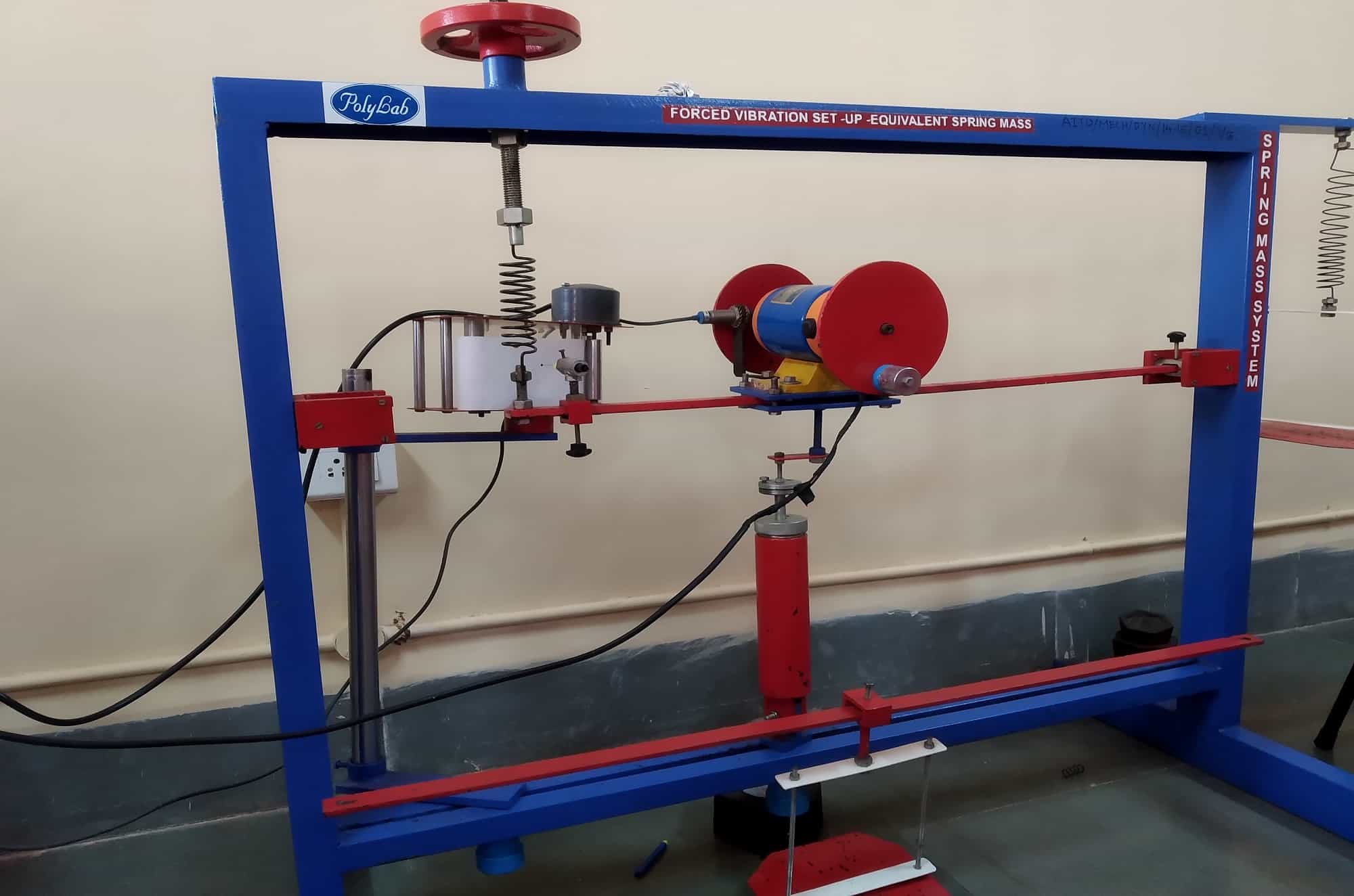
Machine Dynamics Lab.
-
Office
-
For any correspondence to the Department, Please write to
About
the
Department
About the
Department
Mechanical Engineering is a core discipline of Engineering that lays the foundation Principles for various Engineering streams like, Physics and Materials Science for Analysis, Design,Manufacturing and Maintenance of Mechanical System, Thermal Engineering, Organization maintenance. Mechanical Engineering was started in 2010, The department offers B.Tech program (Mechanical Engineering) with present intake of 60 students and 18 students in M.Tech program (Machine Design). In addition to academics, the department strives for the holistic development of students by arranging various activities like workshops, seminars, conferences and industrial visits. The department has well equipped laboratories and we believe that our students are molded to become successful engineers, managers and future ethical leaders with required knowledge, analytical skills and creativity to develop innovative solutions to challenging problems who are not only committed to the industry but also to the society.
Vision and Mission
VISION
Strive for excellence in mechanical engineering producing competent professionals with ethical values and social responsibility.
MISSION
Training students to meet global standards through quality education with dedicated faculty. Emphasizing the importance of research activities, maintain professional standards and adhering to ethics and human values.
- M1: To impart quality education through well established infrastructure and dedicated faculty following innovating teaching and learning practices.
- M2: To create an ambience for effective learning and skill development by promoting research culture through industry institute interaction.
- M3: To inculcate professionalism adhering to ethical and social values.
Programs Offered
UG Program
PG Program
Diploma in Mechanical Engineering – (DME)
B.Tech. : Mechanical
Program Educational Objectives (PEOs)
- PEO-1 Be successful professionals in the field of mechanical engineering and allied areas.
- PEO-2 Excel in higher studies and research adapting to changes in technology.
- PEO-3 Become successful entrepreneur with profound knowledge in core engineering to serve the society with ethical values and social responsibilities..
Program Outcomes (POs)
- PO1 Apply the knowledge of mathematics, science, engineering fundamentals, and an engineering specialization to the solution of complex engineering problems
- PO2 Identify, formulate, review research literature, and analyze complex engineering problems reaching substantiated conclusions using first principles of mathematics, natural sciences, and engineering sciences.
- PO3 Design solutions for complex engineering problems and design system components or processes that meet the specified needs with appropriate consideration for the public health and safety, and the cultural, societal, and environmental considerations.
- PO4 Use research-based knowledge and research methods including design of experiments, analysis and interpretation of data, and synthesis of the information to provide valid conclusions.
- PO5 Create, select, and apply appropriate techniques, resources, and modern engineering and IT tools including prediction and modeling to complex engineering activities with an understanding of the limitations.
- PO6 Apply reasoning informed by the contextual knowledge to assess societal, health, safety, legal and cultural issues and the consequent responsibilities relevant to the professional engineering practice.
- PO7 Understand the impact of the professional engineering solutions in societal and environmental contexts, and demonstrate the knowledge of, and need for sustainable development.
- PO8 Apply ethical principles and commit to professional ethics and responsibilities and norms of the engineering practice.
- PO9 Function effectively as an individual, and as a member or leader in diverse teams, and in multidisciplinary settings.
- PO10 Communicate effectively on complex engineering activities with the engineering community and with society at large, such as, being able to comprehend and write effective reports and design documentation, make effective presentations, and give and receive clear instructions.
- PO11 Demonstrate knowledge and understanding of the engineering and management principles and apply these to one’s own work, as a member and leader in a team, to manage projects and in multidisciplinary environments.
- PO12 Recognize the need for, and have the preparation and ability to engage in independent and life-long learning in the broadest context of technological change.
Program Specific Outcomes (PSOs):
- PSO1 Develop an ability to design, analyze and model physical systems, components or processes by applying principles of thermal engineering, machine design and manufacturing engineering.
- PSO2 Develop professional skills and entrepreneurial skills to meet the current industrial needs.
M.Tech - Machine Design
Program Educational Objectives (PEOs)
- Be successful professionals in industry, government, academic, research, entrepreneurial pursuit and consulting firms.
- Contribute to society as broadly educated, expressive, ethical and responsible citizens with proven expertise.
- Achieve peer-recognition; as an individual or in a team; through demonstration of good analytical, research, design and implementation skills.
- Thrive to pursue life-long reflective learning to fulfill their goals.
Program Outcomes (POs)
- PO1 An ability to independently carry out research /investigation and development work to solve practical problems.
- PO2 An ability to write and present a substantial technical report/document
- PO3 Students should be able to demonstrate a degree of mastery over the area as per the specialization of the program. The mastery should be at a level higher than the requirements in the appropriate bachelor program
Syllabus
B.Tech. Syllabus
M.Tech. Syllabus
Faculty Details
Laboratory Details
Mechanical
Engineering
Mechanical
Engineering

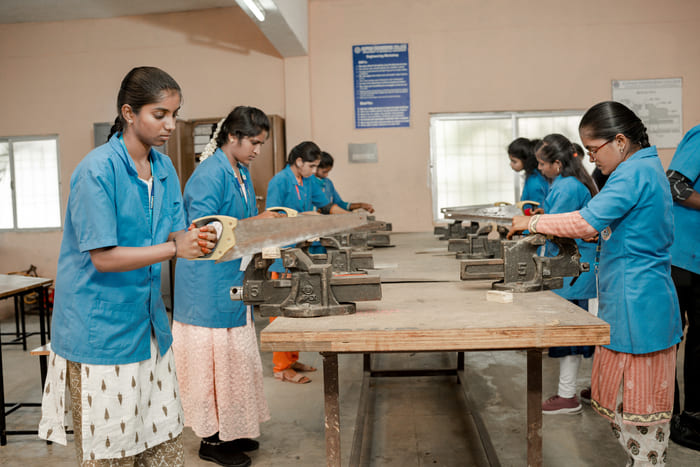
Engineering Workshop lab.

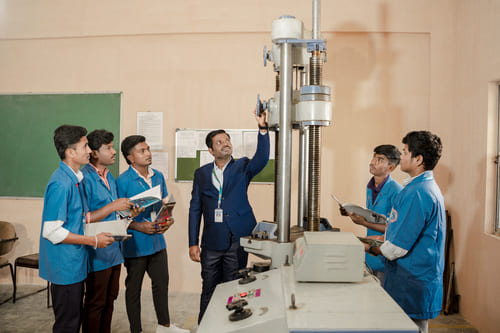
Material science and mechanics of Solids labs.

Manufacturing technology lab.

Heat transfer lab.

Thermal Engineering lab.

Metrology and Machine tools lab.

Instrumentation and control systems lab.

CAD/CAM Lab.
M.Tech
(Machine Design)

Simulation Lab.

Machine Dynamics Lab.
For any correspondence to the Department, Please write to
- About Department
-
About the DepartmentAbout the Department
Mechanical Engineering is a core discipline of Engineering that lays the foundation Principles for various Engineering streams like, Physics and Materials Science for Analysis, Design,Manufacturing and Maintenance of Mechanical System, Thermal Engineering, Organization maintenance. Mechanical Engineering was started in 2010, The department offers B.Tech program (Mechanical Engineering) with present intake of 60 students and 18 students in M.Tech program (Machine Design). In addition to academics, the department strives for the holistic development of students by arranging various activities like workshops, seminars, conferences and industrial visits. The department has well equipped laboratories and we believe that our students are molded to become successful engineers, managers and future ethical leaders with required knowledge, analytical skills and creativity to develop innovative solutions to challenging problems who are not only committed to the industry but also to the society.
- Vision & Mission
-
Vision and Mission
VISION- Strive for excellence in mechanical engineering producing competent professionals with ethical values and social responsibility.
MISSION
- Training students to meet global standards through quality education with dedicated faculty. Emphasizing the importance of research activities, maintain professional standards and adhering to ethics and human values.
- M1: To impart quality education through well established infrastructure and dedicated faculty following innovating teaching and learning practices.
- M2: To create an ambience for effective learning and skill development by promoting research culture through industry institute interaction.
- M3: To inculcate professionalism adhering to ethical and social values.
- Programs Offered
-
Programs Offered
UG ProgramPG ProgramDiploma in Mechanical Engineering – (DME)
Department of Mechanical Engineering has started the Diploma program in Mechanical Engineering (DME) in the year of 2011 on second shift basis with the sanctioned intake of 60. The program is approved by AICTE and affiliated to State Board of Technical Education and Training (SBTET). The program is started with the moto of providing the technical education to the rural communities and makes them employable. The diploma program covers various courses include Design, Manufacturing and Production etc. All the courses are handled by the dedicated and well qualified faculty members. The students are encouraged to exhibit their innovations and skills by participating in various curricular and extra-curricular activities. Diploma program run by the KES is creating the strong technical platform for the students in both placement and higher studies.B.Tech. : Mechanical
The Department is started with B. Tech. – Mechanical Engineering program on 2010. Currently, the Department following the syllabus framed by the JNTUA (R13 & R15) for the students. The students are given provision to attend the various value added skill development programs in and outside the campus. The students are facilitated to carryout innovative inhouse projects after regular academic hours from their second year of study onwards. The Department aims to develop their students’ with different skill sets, ethical and moral values to cope up with the technical changes/challenges in their profession.Program Educational Objectives (PEOs)
The graduates will- PEO-1 Be successful professionals in the field of mechanical engineering and allied areas.
- PEO-2 Excel in higher studies and research adapting to changes in technology.
- PEO-3 Become successful entrepreneur with profound knowledge in core engineering to serve the society with ethical values and social responsibilities..
Program Outcomes (POs)
Graduates of Mechanical Engineering program are able to- PO1 Apply the knowledge of mathematics, science, engineering fundamentals, and an engineering specialization to the solution of complex engineering problems
- PO2 Identify, formulate, review research literature, and analyze complex engineering problems reaching substantiated conclusions using first principles of mathematics, natural sciences, and engineering sciences.
- PO3 Design solutions for complex engineering problems and design system components or processes that meet the specified needs with appropriate consideration for the public health and safety, and the cultural, societal, and environmental considerations.
- PO4 Use research-based knowledge and research methods including design of experiments, analysis and interpretation of data, and synthesis of the information to provide valid conclusions.
- PO5 Create, select, and apply appropriate techniques, resources, and modern engineering and IT tools including prediction and modeling to complex engineering activities with an understanding of the limitations.
- PO6 Apply reasoning informed by the contextual knowledge to assess societal, health, safety, legal and cultural issues and the consequent responsibilities relevant to the professional engineering practice.
- PO7 Understand the impact of the professional engineering solutions in societal and environmental contexts, and demonstrate the knowledge of, and need for sustainable development.
- PO8 Apply ethical principles and commit to professional ethics and responsibilities and norms of the engineering practice.
- PO9 Function effectively as an individual, and as a member or leader in diverse teams, and in multidisciplinary settings.
- PO10 Communicate effectively on complex engineering activities with the engineering community and with society at large, such as, being able to comprehend and write effective reports and design documentation, make effective presentations, and give and receive clear instructions.
- PO11 Demonstrate knowledge and understanding of the engineering and management principles and apply these to one’s own work, as a member and leader in a team, to manage projects and in multidisciplinary environments.
- PO12 Recognize the need for, and have the preparation and ability to engage in independent and life-long learning in the broadest context of technological change.
Program Specific Outcomes (PSOs):
The graduates will have- PSO1 Develop an ability to design, analyze and model physical systems, components or processes by applying principles of thermal engineering, machine design and manufacturing engineering.
- PSO2 Develop professional skills and entrepreneurial skills to meet the current industrial needs.
M.Tech - Machine Design
The Department started the M. Tech. – Machine Design in the year of 2014 with the sanctioned intake of 18. Currently, the Department following the syllabus framed by the JNTUA (R09 & R17). The program structure provides a right mix of compulsory and elective courses. The students of M. Tech. program are advised to carry out their project work by considering practical challenges/issues in the field of Machine Design and its applications in allied domains.Program Educational Objectives (PEOs)
The graduates will have- Be successful professionals in industry, government, academic, research, entrepreneurial pursuit and consulting firms.
- Contribute to society as broadly educated, expressive, ethical and responsible citizens with proven expertise.
- Achieve peer-recognition; as an individual or in a team; through demonstration of good analytical, research, design and implementation skills.
- Thrive to pursue life-long reflective learning to fulfill their goals.
Program Outcomes (POs)
The Graduates will be able to: POs are statements that describe what students are expected to know and be able to do upon graduating from the program. These relate to the skills, knowledge, analytical ability attitude and behaviour that students acquire through the program. The POs essentially indicate what the students can do from subject-wise knowledge acquired by them during the program. As such, POs define the professional profile of a graduate of PG Engineering Program. NBA has defined the following three POs for a graduate of PG Engineering Program:- PO1 An ability to independently carry out research /investigation and development work to solve practical problems.
- PO2 An ability to write and present a substantial technical report/document
- PO3 Students should be able to demonstrate a degree of mastery over the area as per the specialization of the program. The mastery should be at a level higher than the requirements in the appropriate bachelor program
- Syllabus
-
Syllabus
B.Tech. Syllabus
M.Tech. Syllabus
- Faculty Details
-
Faculty Details
- Laboratory Details
-
Laboratory Details
Mechanical EngineeringMechanical Engineering
Engineering Workshop lab.

Material science and mechanics of Solids labs.

Manufacturing technology lab.

Heat transfer lab.

Thermal Engineering lab.

Metrology and Machine tools lab.

Instrumentation and control systems lab.

CAD/CAM Lab.
M.Tech (Machine Design)
Simulation Lab.

Machine Dynamics Lab.
- Office
-
For any correspondence to the Department, Please write to
About
the
Department
About the
Department
Mechanical Engineering is a core discipline of Engineering that lays the foundation Principles for various Engineering streams like, Physics and Materials Science for Analysis, Design,Manufacturing and Maintenance of Mechanical System, Thermal Engineering, Organization maintenance. Mechanical Engineering was started in 2010, The department offers B.Tech program (Mechanical Engineering) with present intake of 60 students and 18 students in M.Tech program (Machine Design). In addition to academics, the department strives for the holistic development of students by arranging various activities like workshops, seminars, conferences and industrial visits. The department has well equipped laboratories and we believe that our students are molded to become successful engineers, managers and future ethical leaders with required knowledge, analytical skills and creativity to develop innovative solutions to challenging problems who are not only committed to the industry but also to the society.
Vision and Mission
VISION
- Strive for excellence in mechanical engineering producing competent professionals with ethical values and social responsibility.
MISSION
- Training students to meet global standards through quality education with dedicated faculty. Emphasizing the importance of research activities, maintain professional standards and adhering to ethics and human values.
- M1: To impart quality education through well established infrastructure and dedicated faculty following innovating teaching and learning practices.
- M2: To create an ambience for effective learning and skill development by promoting research culture through industry institute interaction.
- M3: To inculcate professionalism adhering to ethical and social values.
Programs Offered
UG Program
PG Program
Diploma in Mechanical Engineering – (DME)
B.Tech. : Mechanical
Program Educational Objectives (PEOs)
- PEO-1 Be successful professionals in the field of mechanical engineering and allied areas.
- PEO-2 Excel in higher studies and research adapting to changes in technology.
- PEO-3 Become successful entrepreneur with profound knowledge in core engineering to serve the society with ethical values and social responsibilities..
Program Outcomes (POs)
- PO1 Apply the knowledge of mathematics, science, engineering fundamentals, and an engineering specialization to the solution of complex engineering problems
- PO2 Identify, formulate, review research literature, and analyze complex engineering problems reaching substantiated conclusions using first principles of mathematics, natural sciences, and engineering sciences.
- PO3 Design solutions for complex engineering problems and design system components or processes that meet the specified needs with appropriate consideration for the public health and safety, and the cultural, societal, and environmental considerations.
- PO4 Use research-based knowledge and research methods including design of experiments, analysis and interpretation of data, and synthesis of the information to provide valid conclusions.
- PO5 Create, select, and apply appropriate techniques, resources, and modern engineering and IT tools including prediction and modeling to complex engineering activities with an understanding of the limitations.
- PO6 Apply reasoning informed by the contextual knowledge to assess societal, health, safety, legal and cultural issues and the consequent responsibilities relevant to the professional engineering practice.
- PO7 Understand the impact of the professional engineering solutions in societal and environmental contexts, and demonstrate the knowledge of, and need for sustainable development.
- PO8 Apply ethical principles and commit to professional ethics and responsibilities and norms of the engineering practice.
- PO9 Function effectively as an individual, and as a member or leader in diverse teams, and in multidisciplinary settings.
- PO10 Communicate effectively on complex engineering activities with the engineering community and with society at large, such as, being able to comprehend and write effective reports and design documentation, make effective presentations, and give and receive clear instructions.
- PO11 Demonstrate knowledge and understanding of the engineering and management principles and apply these to one’s own work, as a member and leader in a team, to manage projects and in multidisciplinary environments.
- PO12 Recognize the need for, and have the preparation and ability to engage in independent and life-long learning in the broadest context of technological change.
Program Specific Outcomes (PSOs):
- PSO1 Develop an ability to design, analyze and model physical systems, components or processes by applying principles of thermal engineering, machine design and manufacturing engineering.
- PSO2 Develop professional skills and entrepreneurial skills to meet the current industrial needs.
M.Tech - Machine Design
Program Educational Objectives (PEOs)
- Be successful professionals in industry, government, academic, research, entrepreneurial pursuit and consulting firms.
- Contribute to society as broadly educated, expressive, ethical and responsible citizens with proven expertise.
- Achieve peer-recognition; as an individual or in a team; through demonstration of good analytical, research, design and implementation skills.
- Thrive to pursue life-long reflective learning to fulfill their goals.
Program Outcomes (POs)
- PO1 An ability to independently carry out research /investigation and development work to solve practical problems.
- PO2 An ability to write and present a substantial technical report/document
- PO3 Students should be able to demonstrate a degree of mastery over the area as per the specialization of the program. The mastery should be at a level higher than the requirements in the appropriate bachelor program
Syllabus
B.Tech. Syllabus
M.Tech. Syllabus
Faculty Details
Laboratory Details
Mechanical
Engineering
Mechanical
Engineering

Engineering Workshop lab.

Material science and mechanics of Solids labs.

Manufacturing technology lab.

Heat transfer lab.

Thermal Engineering lab.

Metrology and Machine tools lab.

Instrumentation and control systems lab.

CAD/CAM Lab.
M.Tech
(Machine Design)

Simulation Lab.